2026/2027 candidate profiles

Ted Davis
Title: Senior Vice President, Upfitting
Company: Holman
Years in present position: 4
Years active in work truck industry: 14
NTEA member company since 1973
What has motivated you to consider serving on the NTEA Board of Directors?
My motivation to join the NTEA Board stems from a deep commitment to advancing the commercial vehicle industry through collaboration, innovation and practical leadership. Having spent my career in fleet, logistics and manufacturing, I've experienced firsthand the challenges our industry faces and the opportunities that arise when we work together. I believe NTEA plays a critical role in shaping policy, supporting members and driving progress on key issues. Serving on the Board would allow me to contribute meaningfully to that mission, helping ensure NTEA remains a leading voice and partner for the industry and its members.
What would you best be able to contribute to the NTEA Board?
I would bring a unique combination of hands-on leadership in fleet operations, logistics and manufacturing, along with Board governance experience in both the non-profit and for-profit sectors. This background equips me to support NTEA in amplifying its industry voice, delivering tangible operational value to members and addressing key challenges such as workforce development, electrification and operational efficiency. As a Board member, my focus would be on ensuring NTEA remains a trusted advocate for the industry and a practical, solution-oriented partner to its members across North America.
If elected, what would serving on the NTEA Board of Directors mean to you or your company?
Serving on the NTEA Board would be both an honor and a meaningful opportunity to give back to an industry that has shaped my career. It would allow me to contribute on a strategic level, helping to guide the Association's efforts to support its members and advance the commercial vehicle sector. Serving on the Board would also allow me to build and foster important relationships across the industry to ensure we shape the future of our industry, together, helping our industry remain innovative, resilient, and well positioned to continue to adapt to evolving challenges.
What are the biggest opportunities and challenges facing the industry today?
The commercial vehicle industry is experiencing a period of dynamic change and emerging opportunity. Electrification, modular design and smart technologies are reshaping how vehicles are configured and deployed, offering new efficiencies and customization options for vocational fleets. At the same time, the industry is facing significant challenges, including skilled technician shortages, supply chain volatility and the financial strain of newly imposed global tariffs on imported parts and materials. These pressures are compounded by lingering economic uncertainty and shifting OEM platforms, requiring manufacturers, upfitters and fleet operators to be more agile, collaborative and forward-thinking than ever. Strategic leadership will be essential in helping the industry navigate this evolving landscape and continue delivering value to customers.
Three industry issues of greatest concern to Ted:
- Skilled Labor Shortage – The industry is facing a critical shortage of qualified technicians and skilled labor, which is impacting production capacity, lead times and service quality. The demand for diesel and fleet technicians is expected to rise significantly yet training and recruitment efforts have not kept pace.
- Regulatory Complexity & Evolving Governance – Continuous and rapid changes in emissions regulations, electrification, vehicle-integrated technologies and safety standards are placing unprecedented demands on upfitters. Today's manufacturers must not only meet evolving compliance requirements but also build the technical expertise needed to interface with increasingly complex vehicle systems. This dual challenge of regulatory adaptation and rapidly evolving technology is reshaping how upfitters operate and will continue to define the future of the industry.
- Economic Pressures – The industry is facing mounting economic pressures, driven by global tariffs on imported components and raw materials such as steel, aluminum and electronics. These tariffs are compounding inflationary trends and rising labor costs, creating a ripple effect throughout the supply chain. As margins tighten, companies are being forced to reevaluate sourcing strategies, adjust pricing models, and optimize production workflows to remain competitive and financially sustainable.
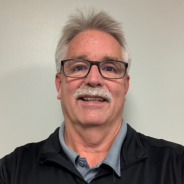
Bob Dray
Title: Vice President
Company: Custom Truck One Source
Years in present position: 15
Years active in work truck industry: 15
NTEA member company since 1999
What has motivated you to consider serving on the NTEA Board of Directors?
While attending Work Truck Week in Indy for many years, I have gained a tremendous amount of knowledge on basic upfitting techniques, along with guidance and training from prominent leaders in their respective fields. I have gained an appreciation for the industry coming together via NTEA from the perspective of networking, education and the dissemination of information. Finally, as I grow older, the willingness to give back and donate time has become important to me.
What would you best be able to contribute to the NTEA Board?
I have developed insights and direction over my career working with a small family-owned company that has transitioned into a multi-billion dollar publicly traded business. This education gives me opinions and direction that could be helpful in forming ideas from different perspectives. Custom Truck One Source is a large-scale upfitter and rental house that supplies vocational equipment in over 14 different business segments. We are partnered with many, if not all, chassis OEMs and many NTEA supplier members. We currently purchase well over 3,000 chassis yearly.
If elected, what would serving on the NTEA Board of Directors mean to you or your company?
I think being closer to and understanding the inner workings of NTEA would be a great benefit to my company and allow us to be better members and discover ways that we can better support and strengthen both NTEA and our company.
What are the biggest opportunities and challenges facing the industry today?
From my perspective, challenges include education about state and federal laws pertaining to topics like CDL and FET restrictions/laws and how they pertain to specific industries and truck builds. I appreciate the drive for electrification, and I think that it has a tremendous need for clarity, policy and direction, other than the political lines it seems to follow.
Three industry issues of greatest concern to Bob:
- Electrification: We need to find a common-sense path to cost-effective ways of building a clean, efficient, affordable product that does not stop or stifle industry. I do not think it is a one-solution problem. Different vocations need different solutions. Currently, we have a political stance causing confusion and increased costs while reducing sales of vocational trucks.
- Understanding and simplifying the CDL process in the U.S. Providing safety and operator training so that it is more readily available for qualified candidates. Gaining a better national understanding of the under-CDL unit and what it takes to drive commercially.
- Learning best practices in data collection that can give the industry better foresights to upturns and downturns so that we can prepare for each circumstance.

Anthony Gemma
Title: Vice President of Operations
Company: Dhollandia US LLC
Years in present position: 2
Years active in work truck industry: 27
NTEA member company since 2015
What has motivated you to consider serving on the NTEA Board of Directors?
I have been motivated to consider serving on the NTEA Board of Directors because I want to give back to an industry that has provided me with so many opportunities. I was also encouraged by a couple of members to run, which reinforced my belief that my experience and perspective can add value. Serving on the Board would allow me to help address the challenges we face, support the next generation, and contribute to building a stronger future for the work truck industry.
What would you best be able to contribute to the NTEA Board?
I can best contribute my hands-on industry experience and a deep understanding of the challenges our members face daily. Having worked closely with OEMs, distributors and fleets, I bring practical insights on workforce development, regulatory issues and economic trends. I am committed to listening, collaborating and sharing ideas that can make a real difference, helping NTEA support its members while shaping a stronger, more resilient future for the industry.
If elected, what would serving on the NTEA Board of Directors mean to you or your company?
If elected, serving on the NTEA Board of Directors would be both an honor and a responsibility. For me personally, it would mean the opportunity to give back to an industry that has shaped my career and provided a nice standard of living for my family, and to help guide its future during a time of significant change. For Dhollandia, it would provide a platform to contribute our perspective, strengthen our partnerships within the industry, and actively support initiatives that drive growth, innovation, and long-term sustainability for all members.
What are the biggest opportunities and challenges facing the industry today?
The biggest opportunities and challenges facing the industry today center on three areas:
- Workforce Development: A major challenge is attracting and retaining younger talent, but this also presents an opportunity to modernize how we showcase careers and partners in training to build a strong pipeline for the future.
- Regulatory Environment: Rapidly evolving policies on safety, emissions and compliance create challenges for members, while also offering the opportunity for NTEA to lead with guidance, resources and advocacy.
- Economic Pressures: Supply chain costs, interest rates and labor shortages are ongoing challenges. Yet, these pressures also create opportunities for innovation, efficiency, and collaboration across the industry.
Three industry issues of greatest concern to Anthony:
- Attracting Younger Talent: One of the greatest challenges is bringing more young people into the truck equipment industry. We face a generational gap in both technical and sales roles, and it is critical to create pathways, training programs and awareness to make the industry appealing to the next generation.
- Navigating the Regulatory Landscape: The pace of regulatory change is accelerating, particularly in areas such as emissions, safety and compliance. Understanding the evolving policy framework and ensuring our industry adapts while maintaining competitiveness is a key concern.
- Economic Pressures and Market Implications: Broader economic trends — such as interest rates, supply chain costs, and labor availability — directly impact the work truck industry. Staying resilient in uncertain economic conditions while continuing to serve customers effectively is an ongoing challenge.

Phyllis Godwin
Title: Corporate Vice President
Company: The Godwin Group
Years in present position: 15
Years active in work truck industry: 33
NTEA member company since 1992
What has motivated you to consider serving on the NTEA Board of Directors?
Being in the industry for three decades has given me knowledge of not only trucks, equipment and customers, but the employment aspect. Having worked in a human resources role as well as facility management, I feel I could offer opinions and insights into the daily responsibilities of company ownership.
What would you best be able to contribute to the NTEA Board?
Knowledge of employee retention, employee benefits, labor laws, customer needs/trends and overall leadership in the truck/manufacturing industry. I would offer a perspective of business as an owner. Also, the management style difference we have at Godwin involving inventory and imported goods for manufacturing.
If elected, what would serving on the NTEA Board of Directors mean to you or your company?
Because NTEA is a prominent resource for the industry, the position would enable me and the company to interact, converse and have firsthand knowledge of the changes in the industry, insight into market trends, and awareness of new and changing regulations.
What are the biggest opportunities and challenges facing the industry today?
The employee labor pool has been a constant issue since 2020. We have also seen a decrease in levels of inventory from our suppliers and have had to adjust our purchasing schedule. We do feel with continued infrastructure, more vocational trucks will be needed and locally we see a boom in the housing market.
Three industry issues of greatest concern to Phyllis:
- Tariffs are a major concern at this time. As a manufacturer, we have to consider the impact on our customers and pricing. We have suppliers in India, Brazil and many other countries that are affected. Fortunately, we have a great working relationship with these companies and have an open line of communication.
- Employee labor. It is getting more difficult to find skilled manufacturing labor such as MIG welders. For years, in our local area, vocational job preparations in our schools were not a priority. However, recently we became involved with the local high schools to promote CTE (Career and Technical Education). In doing so, in partnership with the local Board of Education, we have implemented a class at the high school level to educate and certify students with a LEEPS (Lincoln Electric Education Partner School) Certificate.
- Safety behind the wheel of a vocational truck. Many new drivers are inexperienced working in road construction, quarries, major infrastructure sites, etc. Our company has developed a system to ensure driver and truck safety in all aspects of use. Drivers are in demand and trucks are expensive and time-consuming to replace. Keeping drivers and other vehicles safe on the road should be a priority for end users.

Todd Hudson
Title: President
Company: Boss Industries LLC
Years in present position: 7
Years active in work truck industry: 41
NTEA member company since 1989
What has motivated you to consider serving on the NTEA Board of Directors?
Being involved with the truck equipment industry for over 40 years, I would like to contribute my experiences with my peers and further continue to promote NTEA through my extensive relationships within the work truck segment.
What would you best be able to contribute to the NTEA Board?
With a vast network of NTEA member relationships, for me to be that VOC (voice of customer) for pain-points, recruitment, and to serve the NTEA members and give feedback to the Board.
If elected, what would serving on the NTEA Board of Directors mean to you or your company?
With my long tenure belonging to the NTEA organization, I feel a responsibility to offer my expertise to serve the members that have supported my career and promote future growth for NTEA.
What are the biggest opportunities and challenges facing the industry today?
Challenges:
- Skilled labor, attractiveness and shortages from the shop level to engineering.
- Private equity is consuming the industry. Family businesses are shrinking.
- Tariffs and the uncertainty surrounding them.
- Transparent and steady regulatory requirements so NTEA manufacturers can focus on consistent strategy and product development.
Opportunities:
- Secondary education is being challenged. Capitalize on vocational opportunities and development.
- Technological advances of specialized equipment to attract the "digital" generation.
- Data integration for vehicle solutions.
- AI utilization for industry research and data.
Three industry issues of greatest concern to Todd:
- Workforce development/education and stimulation to attract blue collar shortages within our space.
- Rapid technological advances (i.e., EVs and alt fuels) affecting development and practicality for work trucks and chassis OEMs.
- A clear and consistent picture for fleets and manufacturing development from regulators are required.

Kris Jones
Title: Owner
Company: Truck Equipment Resource
Years in present position: 12
Years active in work truck industry: 13
NTEA member company since 2015
What has motivated you to consider serving on the NTEA Board of Directors?
This industry has been good to me and my company, and I feel it’s important to give back where I can. I think NTEA does a lot of good for its members and being part of that is meaningful. On a personal level, I also value the networking and relationships that come from serving, because I believe we learn the most by sharing with others in the same space.
What would you best be able to contribute to the NTEA Board?
I’ve had the chance to build and scale a business in this industry, so I bring experience in operations, finance and leadership. I understand the challenges that come with growth, inventory management and running multiple locations, and I think that perspective could be valuable to the Board. I’ve also led sales teams and worked on developing people, so I can contribute both on the business side and on the leadership side. Overall, I’d bring a mix of real-world operational knowledge, financial discipline, and people leadership.
If elected, what would serving on the NTEA Board of Directors mean to you or your company?
It would be an honor for both me and my company. For me personally, it would be a chance to give back to the industry that’s supported my career and growth. For my company, it would show that we’re committed to supporting the broader industry, not just our own success. I think it would also give us the opportunity to stay connected with other leaders, learn from them, and bring those insights back to make our business stronger.
What are the biggest opportunities and challenges facing the industry today?
One of the biggest opportunities is the continued demand for work trucks and upfitting, especially with new technology, electrification, and safety features creating room for innovation. Companies that can adapt quickly and deliver solutions have a real chance to separate themselves from the competition.
On the challenge side, the biggest issue is people — finding, training and keeping skilled employees. That’s something every company is dealing with, and it impacts growth and quality. Another challenge is margin pressure, as costs keep climbing and competition stays tough. Companies must stay sharp operationally to protect profitability.
Three industry issues of greatest concern to Kris:
- First is workforce — finding, training, and keeping skilled people is one of the toughest challenges for companies in our space.
- Second is margin pressure. Costs keep rising and staying profitable while remaining competitive is a constant battle.
- Third is the pace of change in technology and customer expectations. Companies that can’t adapt quickly risk falling behind, and that’s something I think about often in running my business.
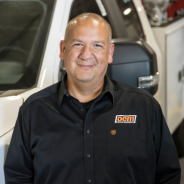
Beau Lafferty
Title: General Manager
Company: OEM Systems LLC
Years in present position: 2
Years active in work truck industry: 10
NTEA member company since 2007
What has motivated you to consider serving on the NTEA Board of Directors?
This is the industry that enables me to provide for my family, so I take this very seriously. I believe that by being on the Board, it will enable me to make sure that our industry and the company that I work for are prepared for the future. To be willing to help move the industry forward, you have to be willing to participate, and I feel that being on the Board will allow me to participate in the future of our industry.
What would you best be able to contribute to the NTEA Board?
I bring a unique perspective that I believe would benefit the Board as well as its members. I have been in the auto industry since July 2003. I started by selling trucks at a Chevy store and worked my way up to general manager. In my current general manager role, I help to oversee all facets of our company. I still go on the road to see customers and close deals, and I do all the ordering for our bailment pools which include Chevy, GMC and Ram. I think this gives me an ability to see all the changes in the industry in regard to chassis and equipment. I still visit dealers and end users because it also gives me insight into what they are seeing and what they would like to see.
If elected, what would serving on the NTEA Board of Directors mean to you or your company?
For me personally it would be a great honor. Ten years ago, I was new to this industry, and I have worked very hard to try and learn as much as possible. I think being added to the Board would enable me to learn from some of the best and brightest in the industry. I also feel it would help to validate the work that I put in to promote the industry by being on the NTEA Board, which is viewed as the pinnacle of our industry. For my company, it would allow us to be at the forefront of what is happening in our industry. It would also open networking opportunities that would advance our company as well as the ones we work with.
What are the biggest opportunities and challenges facing the industry today?
There are many challenges currently facing our industry. Tariffs and interest rates play a big part in the pricing of our equipment. The manufacturers are still trying to decide if the future is electrification or staying with the combustion engine. The workforce is getting older and there’s difficulty finding younger talents who want to work with their hands. The biggest opportunities will be in preparation and having the foresight and flexibility to meet the demands as they change within our industry. Companies that are rigid in their thinking will end up being left behind, while those that are forward-thinking and evolving will flourish.
Three industry issues of greatest concern to Beau:
- The aging workforce is a great concern. We need to let the younger generation know that not everyone is meant to go to college — that trade schools and working with your hands are acceptable paths to a fulfilling and rewarding career.
- The ability of the industry to adapt to continual change. I believe that the oil and gas industry plays a major part in our industry. If we turn more toward electrification and diminish our reliance on oil and gas, are we prepared to make that shift? We would need to look at changing our target audience by removing one of our biggest customers. Also, with chassis changes, we’d need to make sure that the equipment evolves to mirror those changes.
- Tariffs play a huge role in planning for our industry. Tariffs affect the ability and willingness of many of our customers to make purchases. It also makes it tough in planning on what people in our industry want to produce or to stock. With many of the raw materials being subjected to tariffs, you have to decide if you think the prices will rise if tariffs continue or fall if tariffs cease.

Justin Lisonbee
Title: AVP Fleet Operations
Company: Enterprise Fleet Management
Years in present position: 2
Years active in work truck industry: 22
NTEA member company since 2014
What has motivated you to consider serving on the NTEA Board of Directors?
I have a strong desire to give back and contribute to the growth of the commercial fleet and work truck industry. Reflecting on two decades in this space, I've witnessed how industry trends and changes impact businesses of all sizes and real people doing essential work. I am eager to advance our industry by lending my experience and unique perspective to support NTEA's strategic focus areas.
Individual companies can innovate and excel, but it's through NTEA that we can address broader challenges collectively and ensure the commercial vehicle industry continues to be a force for good by supporting communities and adapting to meet tomorrow's needs.
What would you best be able to contribute to the NTEA Board?
I will bring an operator's perspective that comes from being on the ground every day with real fleet challenges. Through Enterprise Fleet Management’s connection to Enterprise Mobility – the largest vehicle purchaser in the world – and the strong relationships I've built with corporate and field leaders across the industry, I can represent the voice of thousands of clients. I'm passionate about serving this industry and would be honored to bring strategic leadership experience and deep industry relationships to help guide NTEA's mission forward.
If elected, what would serving on the NTEA Board of Directors mean to you or your company?
It would be a privilege to serve on the Board of such an influential and important organization with the opportunity to collaborate with dedicated professionals across the industry. Working together, we can positively shape the future of our industry. My goal is to ensure work trucks remain at the forefront of trends, turning challenges into opportunities. On a personal level, serving on the Board would allow me to further develop my leadership and strategic thinking skills, all in service of the industry.
What are the biggest opportunities and challenges facing the industry today?
Uncertainty across the supply chain, changes in regulations, and global economic conditions are making it challenging for businesses to plan and operate effectively. For example, evolving regulatory requirements are leading to varied approaches by OEMs.
Additionally, the fast pace of technological advancement is requiring businesses to rapidly adapt their products and services. While it still holds challenges, the shift toward electrification is opening new avenues for collaboration. The fast pace of tech is allowing us to be more efficient and operate safer fleets. There is a great opportunity to embrace these shifts and lead the industry forward.
Three industry issues of greatest concern to Justin:
- Labor Shortage: To support continued growth and rapid innovation, we need to attract qualified professionals, particularly in skilled and technical roles, fostering workplace environments that encourage long-term retention and career development.
- Regulation Compliance: Inconsistent and unclear requirements, including those related to emissions, create uncertainty for businesses operating across North America. These challenges are compounded by ongoing global trade and supply chain disruptions, making it more difficult for our industry to plan and invest confidently for the future.
- EV Adoption: The rapid rise of new vehicle technology presents significant infrastructure and operational challenges. The emergence of numerous new, smaller OEMs further increases complexity for equipment manufacturers and upfitters, as greater variability in vehicle specifications makes standardization and long-term planning more difficult for the entire industry.